Unraveling the truth behind common casino myths
The Gambler’s Fallacy Explained
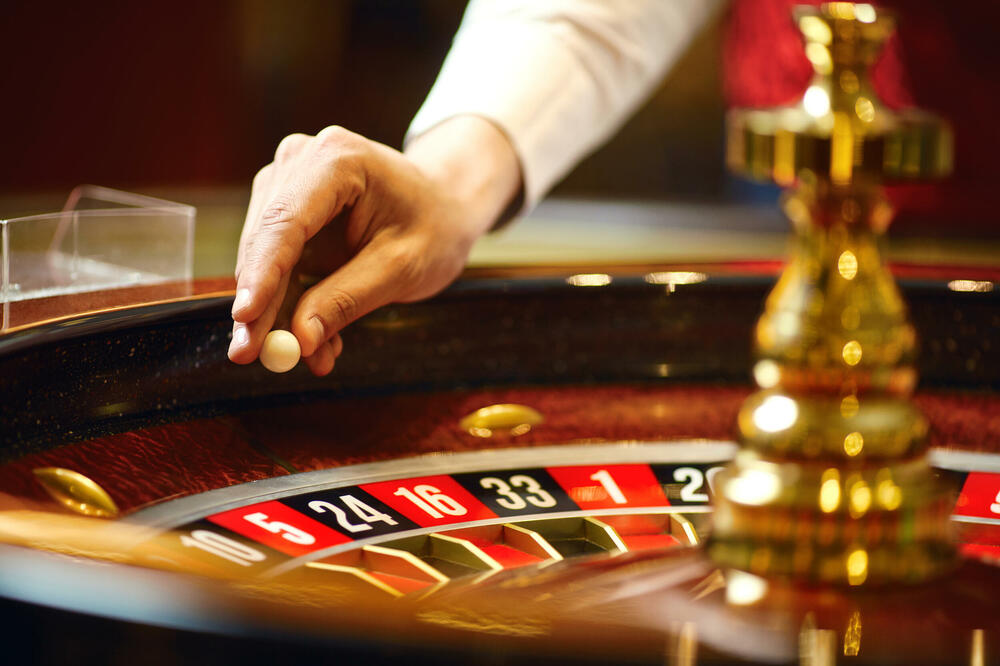
One of the most prevalent myths in the gambling world is the gambler’s fallacy, which suggests that past outcomes affect future events in games of chance. For instance, many players believe that if a particular number hasn’t appeared on a roulette wheel for several spins, it’s “due” to come up soon. However, each spin is an independent event, and the odds remain constant regardless of previous results. As many gamblers explore various options, they often come across trendy topics like offshore gambling, which can further complicate their understanding of these games.

Understanding the gambler’s fallacy is crucial for responsible gambling. Players who fall for this myth might end up making irrational decisions, leading to increased losses. Recognizing that probability in games like roulette, slots, and blackjack does not change based on prior outcomes can help players make more informed choices and enjoy their experience without undue pressure.
The Myth of “Hot” and “Cold” Machines
Another common misconception is that slot machines can be categorized as “hot” or “cold.” Some players believe that certain machines are more likely to pay out based on recent activity, leading them to gravitate toward those that seem to have had a recent win. In reality, slot machines operate on random number generators, ensuring that each spin is entirely random and unaffected by prior results.
This myth can lead to players spending more time on specific machines they believe are fortunate while ignoring others that might offer better overall odds. It’s important for players to understand that all slot machines are designed to be unpredictable, and each one offers the same chance of winning regardless of its recent payout history.
Luck vs. Skill in Gambling
The debate over luck versus skill is a longstanding one in the gambling community. Many people assume that games like poker are purely skill-based, while others view games like slots as purely luck-driven. The truth lies somewhere in between; while games like poker do involve strategic thinking and experience, luck plays a significant role as well.
Conversely, games like blackjack may involve elements of skill in strategy, but outcomes can still depend heavily on chance. Understanding the balance between luck and skill in various games can help players approach gambling with realistic expectations and enjoyment, rather than false hopes of guaranteed success.
The Illusion of Control
A pervasive myth among gamblers is the belief that they can control the outcome of games, particularly through rituals or superstitions. Many players adopt specific routines—like wearing lucky socks or making certain hand gestures—believing these practices can influence the game’s results. In truth, these actions have no impact on the random outcomes produced by modern gaming machines and tables.
Recognizing the illusion of control is vital for maintaining a healthy gambling mindset. Players should focus on the entertainment aspect of gambling rather than trying to impose control over unpredictable outcomes. This perspective can enhance enjoyment and reduce the likelihood of problem gambling behaviors.
Judicial Selection and Its Influence on Gambling Regulations
Understanding the legal framework surrounding gambling, including judicial selection, is essential for comprehending how laws affect casino operations. Judicial decisions often shape the landscape of gambling regulations, impacting everything from licensing to tax obligations. A comprehensive platform can provide vital resources on judicial selection processes, helping citizens and stakeholders stay informed about the legal aspects that govern gambling.
By staying educated on judicial matters, players can better understand the policies that influence their gambling experiences. An informed community contributes to more effective dialogue about gambling regulations, ensuring that they are fair and beneficial for all parties involved.